
After five years under the working title Catch Him By His Name, the book has taken its final name: Wigley’s Waterhole—a story of Family, Country, and the Politics of Shelter in Central Australia, shaped by my own work as an architect and by the colonial history I carry with me.
My great-great-grandfather, Henry Rodolphus Wigley, was South Australia’s first Public Prosecutor and later served as Assistant Protector of Aborigines. The office claimed to soften the harms of colonisation, yet its function was contradictory: to regulate contact, police behaviour, and “protect morals”, while reinforcing dispossession.
By the time I arrived, the family name had already travelled north ahead of me: marks on the map laid over places with other names.
A Family Branch
1837 — Henry Rodolphus Wigley (1794–1876) arrived on the Shar with his wife Sarah and five children; appointed South Australia’s first Public Prosecutor, later Resident and Police Magistrate, Commissioner of Insolvency, and Assistant Protector of Aborigines.
1847 — Sons William Rodolph (1826–1890) and James Francis (1831–1884) joined the family in Adelaide aboard the John Bartlett.
1861 — Daughter, Maria Cordelia Wigley married Henry Bull Templer Strangways (Premier of South Australia, 1868–70).
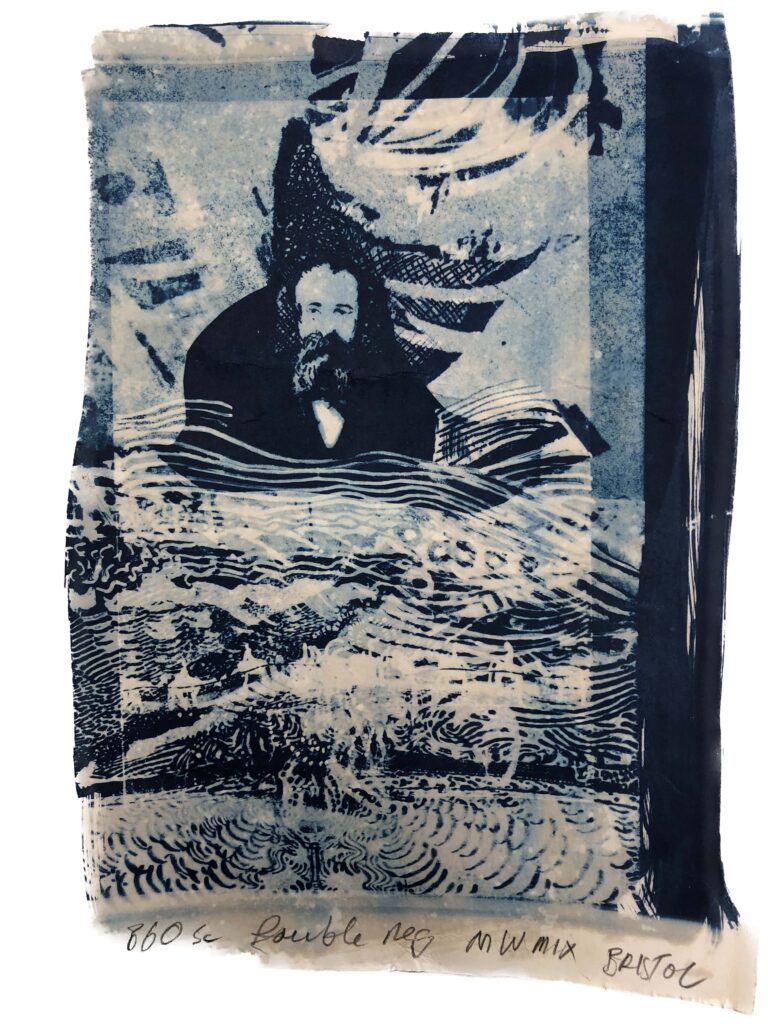
1870s — William Rodolph Wigley married a well-heeled Irish woman, Mary Letitia Longfield Creagh (part of the Cromwellian Roundhead families in County Clare, Ireland). William, a solicitor in Belt, Cullen & Wigley, later Glenelg Town Clerk, Mayor, and Stipendiary Magistrate (1889). Surveyors during the Overland Telegraph period used the Wigley name for features in Central Australia.
James Francis Wigley — broker and land speculator in Northern Territory, subdivided land at Lockleys, and associated with the Adelaide Club.
20th century — Harry Wigley (solicitor), his sons Jim Wigley (1917–1999), painter (who actually travelled north), and Bill Wigley, solicitor.
Survey & Place-Names (1862–72)
The Wigley name reached the Northern Territory through the work of William McMinn (1844–1884), who accompanied John McDouall Stuart’s 1862–63 expedition and later served as a surveyor on the Overland Telegraph (1870–72). He named features after figures in Adelaide’s legal world:
- Cullen River — for L. M. Cullen
- Mount Wigley — for William Rodolph Wigley
McMinn later returned to Adelaide and practised as an architect, contributing to the Mitchell Building at the University of Adelaide, Marble Hill, and the Adelaide Children’s Hospital.
Additional Place-Names
Wigley Waterhole — Todd River north of the Alice Springs Telegraph Station (c. 1880s)
Wigley Gorge — associated feature nearby
Mount Wigley Mine — mineral lease near Mount Wigley
About Wigley’s Waterhole
Julian Wigley was warned: “Blackfella business is like grabbing a tiger’s tail; if you let go, you’ll get eaten alive.” He went north anyway, as his father had before him. What followed was four decades of involvement in Aboriginal housing and social justice, alongside a more private uncertainty about art, architecture and family.
Wigley’s Waterhole is a frank and personal account of blackfellas and whitefellas working together to achieve land rights and self-determination in central Australia during the Whitlam and Fraser years. A story of blackfella wit and whitefella reticence, where misunderstandings arise in daily interactions amid bureaucracies, bulldust and the politics of shelter.
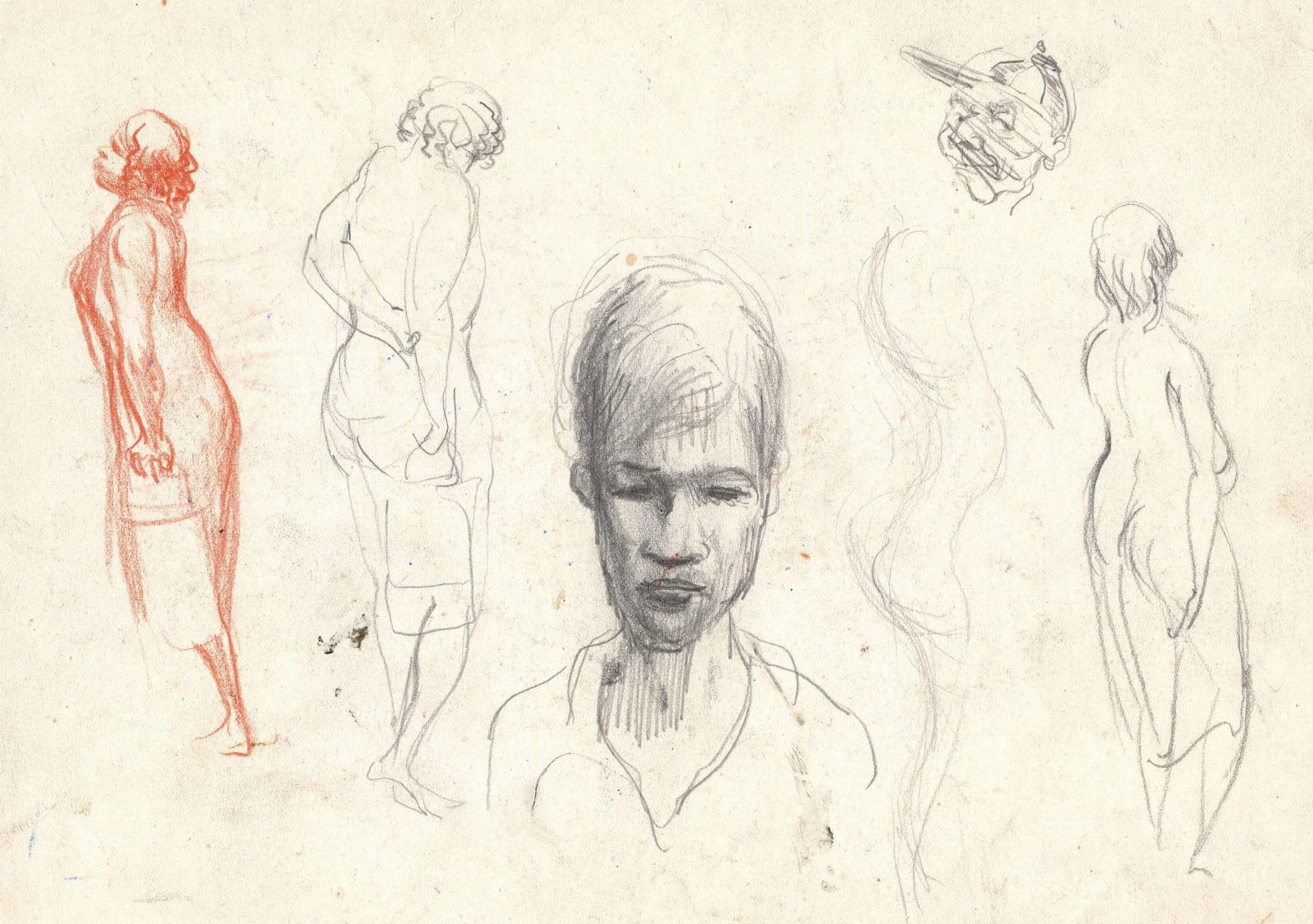
I’ll post occasional updates as the drawings take shape. Publishing enquiries are welcome at this stage from reputable trade or independent publishers.